
My days always vary, there is always a different problem that needs to be solved, which I love. My day will always consist of site walks, planning and sequencing works. I also get involved in speaking with subcontractors, monitoring quality and progress of the build. I also monitor health and safety and do anything I can to help improve it. I enjoy the high level of organisation and discipline it takes to run a safe and efficient site.
Our Stories
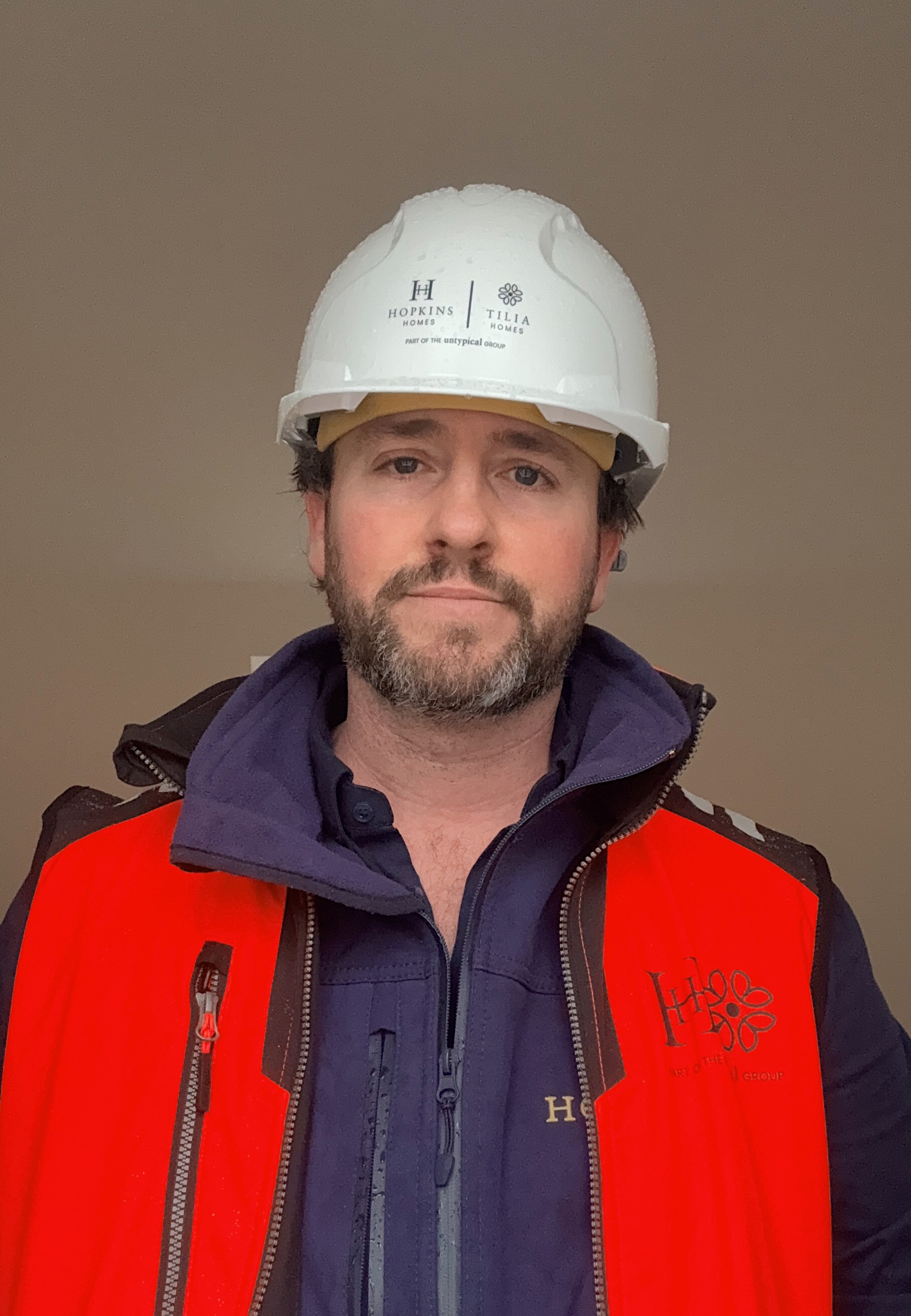
Daniel Moore
Trainee Assistant Site Manager
Training on the job is a highly effective building block to a solid career with learning that is immediate, practical and tailored directly to the specific role. It helps to boost confidence and morale and promotes the transfer of knowledge from experienced staff.
An added benefit of this approach is the opportunity to earn while you learn. Being able to gain a salary alongside a recognised qualification removes many of the financial barriers to training and allows individuals to focus fully on developing their skills. It also means learning is grounded in real-life situations, with theory reinforced through daily application on site. This combination not only accelerates development but also builds financial independence, long-term job security and a stronger sense of purpose from day one.
Q&A with Daniel
What does a typical day look like for you?
What tasks would you normally carry out in a day?
I arrive on site at 7am to open up the site office and compound. At this point I will check security and carry out an initial walk-round. This is to ensure the site is safe, secure, and ready for the working day, and to identify any issues caused by weather, deliveries, or overnight activity. I will review the programme, planned works, and expected labour for the day.
As operatives and subcontractors arrive, I will oversee inductions where required and deliver toolbox talks or safety briefings for people coming to site for the first time. Trades are allocated work areas and priorities, and any immediate issues relating to access, materials, or sequencing are addressed. A significant part of the morning is spent walking around site, monitoring health and safety compliance, checking quality of workmanship, and ensuring works are progressing in line with the build programme.
Throughout the day, I respond to queries from subcontractors, resolves any issues between trades, and deal with unforeseen issues such as material shortages or design queries. Inspections may take place from NHBC, Building Control, or internal management, requiring preparation and follow-up actions.
Administrative tasks such as updating the site diary, recording progress, taking photographs, and reviewing risk assessments are usually completed alongside site duties rather than in long dedicated periods.
The afternoon is often focused on driving progress, particularly on homes or areas approaching completion. This includes carrying out quality checks, snagging, and coordinating follow-on trades.
At the end of the day, I will complete a final walk-round to ensure the site is left safe and secure. Lock-up procedures are carried out, followed by sequencing further works and trades for the upcoming weeks.
While there is a general routine, the role requires constant flexibility, as priorities can change quickly depending on site conditions and emerging issues.
What do you like about learning on the job?
Every day is different and presents a new challenge. Learning directly on site helps me build confidence quickly and apply knowledge straight away to real situations.
Why did you choose a career in construction - what attracted you?
I was drawn to the hands-on nature of construction and the satisfaction of seeing a project come together. I enjoy the technical and problem-solving elements on site and being part of something that has a visible impact.
I started my career working in child protection for a local authority for a number of years before moving over to the Ministry of Justice for a further two years, whilst living in London. Then four years ago, I relocated to Suffolk and decided on a complete career change into construction. First working for a local builder overseeing a project at a primary school in Ipswich before joining untypical.
With a young family, how do you balance work with parental responsibility?
Good planning and communication is key. I stay organised and make the most of flexible arrangements and make sure I'm fully focused both at work and at home.