
Skip to main content Skip to footer

Our Stories

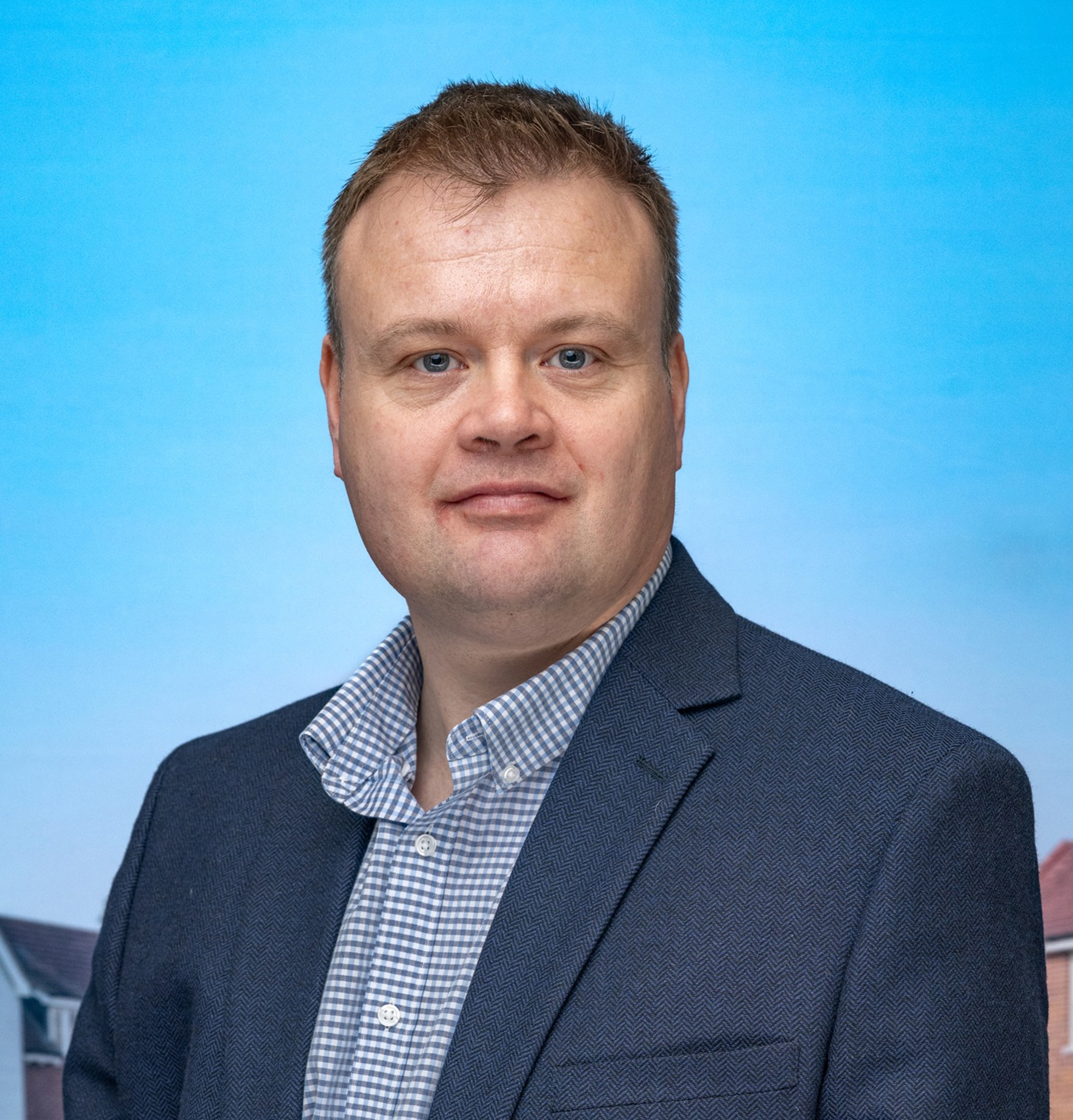
William Peake

Head of Digital Performance

Qualifications: Business Systems & Administrations

When most people think of skills in housebuilding, they picture bricklayers, architects, and site managers. Will Peake's career is a reminder that our industry increasingly depends on a very different kind of expertise, and that digital talent is becoming just as foundational as any trade.

Here is Will’s story.

How I got here

After my A Levels, I studied Business Systems and Administration at Colchester Institute. That's where my interest in websites and marketing really took off. From there, my career evolved through a Danish ferry company, a marketing agency where I spent around eight years working on digital projects for clients, a holiday cottage company, and then a specialist lighting business where I built an e-commerce operation essentially from scratch.

I first came across Hopkins Homes about seven years ago. I knew the company growing up - it had a strong reputation - and when I saw the role, I knew it was the right next step for me. I got to the final two but didn't get it. Then they headhunted me, but my employer at the time matched the offer so I stayed put. Third time around, I applied again, got the role, and joined. My first day also happened to be the day that Hopkins Homes and Tilia Homes came together under the untypical brand. It was an exciting time to walk through the door.

What drew me, and keeps me here, is something that's driven me throughout my career:

I enjoy working out a problem and fixing it; seeing how you can turn a problem into an opportunity for the company and customer and seeing the results of that work. I have an innate curiosity for problem solving and take great satisfaction from it.

Housebuilding is a fascinating industry to bring digital thinking into, because in many ways it's still catching up. There's an enormous amount of technical knowledge behind every home we build - sustainability, construction methods, materials, energy efficiency - but historically there's been a gap between all of that expertise and what a customer actually experiences when they're researching or buying a home.

Rebuilding our digital foundations 

One of my first major projects was leading the rebuild of the Hopkins Homes website. The old site had been on WordPress and rebuilt a few times over the years, and it didn't quite have the integration we needed. So, we started fresh. We're also rebuilding the Tilia Homes website.

A smarter CRM

We've implemented a more sophisticated CRM for Hopkins Homes with AI built in.  It's designed to scale up for future improvements and the integration of more digital tools. The plan is to bring it across to Tilia Homes too.

It has been enjoyable rebuilding the Hopkins Homes website and CRM project and seeing the positive effect it has had on marketing and sales.

Giving customers genuine choice

Something I feel strongly about is that going digital shouldn't mean removing the human element. We're developing the ability for customers to reserve a home online if they want to, but we're equally committed to the personal touch for those who'd rather come in and complete the paperwork face to face.

It means we can offer the best of both worlds. That balance matters to me.

AI and using it properly

This is what's really exciting me right now. There is a lot of science behind building a house and AI could help bridge the gap between sales and the technical team. If a customer wants to know more about how their house is more sustainable, or what makes it warmer, we can use AI to provide a quick response - and also provide answers out of hours.

I'm currently scoping out exactly where and how we deploy AI - which portals, which applications, which parts of the customer journey. Because I think the key is being deliberate about it.  AI is here; we cannot ignore it.

If you've never considered housebuilding as an industry, I'd encourage you to look again, whatever your background. The problems are real, the scale is significant, and the opportunity to make a genuine difference to how people experience one of the biggest purchases of their lives is unlike anything I've worked on before.

You don't need to know how to build a house. You need to be curious, driven to solve problems, and willing to bring your expertise into an industry that is changing fast. Whatever your specialism, that kind of thinking is needed here.