
The skills gap won’t be solved by recruitment alone
The housebuilding industry has rightly invested significant effort in attracting more women into construction. It's a positive shift, driven not only by a desire for greater representation but by commercial necessity.
The sector faces a significant skills challenge, with an additional 251,500 workers needed to meet projected demand1. An ageing workforce, rising retirement rates and an insufficient pipeline of new talent mean that every skilled person we recruit matters.
But recruitment alone won't solve the problem.
Attracting talented women into construction is only half the challenge. The real opportunity lies in creating workplaces where they can develop, progress and choose to build long-term careers. If we're serious about tackling the skills gap, retention needs to become just as much of a priority as recruitment.
Encouragingly, the pipeline is improving. Initiatives such as the Home Builders Federation's Women into Home Building programme are helping to showcase careers in site management and construction, challenging outdated perceptions of the industry. That matters when women still account for just 16% of the construction workforce, with only 4% working as site managers2.
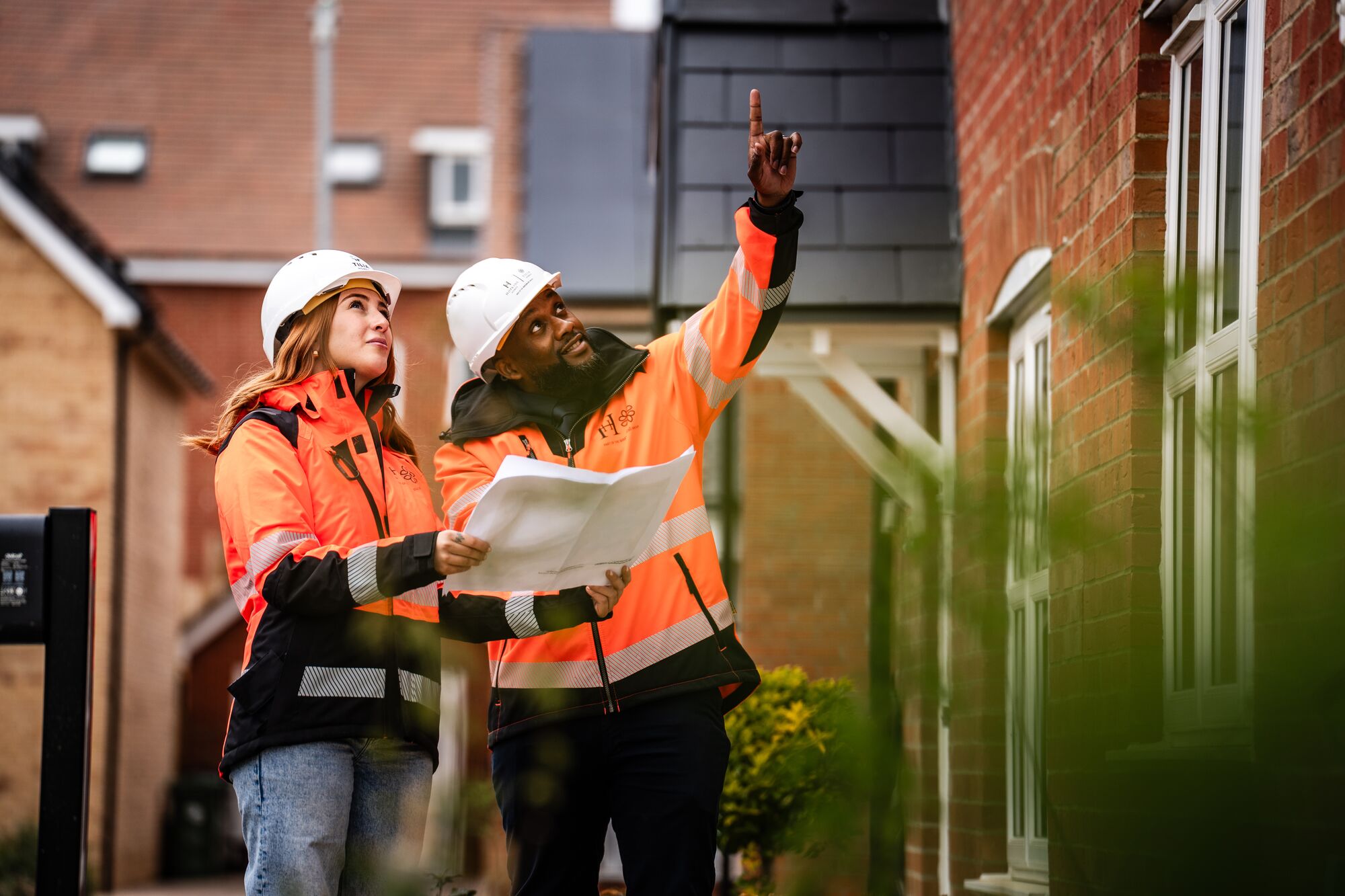
At untypical, our investment in school partnerships, apprenticeships and early careers programmes has helped us reach an important milestone: women now fill around half of our trainee construction roles, including trainee assistant site managers. It demonstrates that the historic gender imbalance is no longer simply a pipeline issue. Increasingly, women are choosing careers in construction.
The bigger question is whether we're giving them enough reasons to stay.
Retention isn't driven by one initiative. It's shaped by the everyday experience of working onsite and whether people feel they belong, can develop their careers and are treated with respect.
Creating an inclusive working environment starts with getting the basics right. Practical measures such as properly fitting PPE, designed for different body shapes and sizes, and welfare facilities that meet the needs of everyone onsite send an important message that inclusion isn't an afterthought. These changes may appear simple, but they have a meaningful impact on safety, wellbeing and confidence.
Career development is equally important. Mentoring and structured development programmes give people the confidence to progress while creating psychologically safe spaces to discuss challenges and ambitions. When people can see a clear pathway to leadership, they're far more likely to remain in the industry.
Flexible working also has a role to play. Construction has traditionally been viewed as a profession where people must choose between career progression and family life. That mindset needs to change. While flexibility will look different across construction roles, employers should be exploring ways to support work-life balance wherever operationally possible. Retaining skilled people means recognising that careers should adapt alongside people's lives.
Listening to employees is another critical part of retention. At untypical, our Women in untypical network provides a forum for colleagues to share experiences, influence change and support one another. Just as importantly, it helps build greater understanding across the wider business, encouraging allyship and ensuring improvements are shaped by those with lived experience.
Culture extends beyond direct employees. Construction sites bring together housebuilders, contractors and supply chain partners, making shared standards of behaviour essential. Zero-tolerance policies for harassment are important, but they must be supported by consistent expectations around professionalism, respect and inclusion across every organisation working onsite.
The encouraging reality is that more diverse site teams are already helping to reshape workplace culture. As more women join construction, many sites are becoming more collaborative, more inclusive and more reflective of the communities we build for. That cultural evolution benefits everyone, creating workplaces where people can perform at their best.
The industry's success won't ultimately be measured by how many women it recruits this year. It will be measured by how many are still building successful careers five, ten and twenty years from now.
Closing the skills gap requires more than opening the door. It means creating workplaces where talented people choose to stay, develop and lead. Retaining women isn't simply an equality issue; it's a business imperative that will help secure the future of housebuilding.

