

Social
Placemaking
Placemaking lies at the heart of creating vibrant, resilient communities that thrive beyond mere buildings and infrastructure.
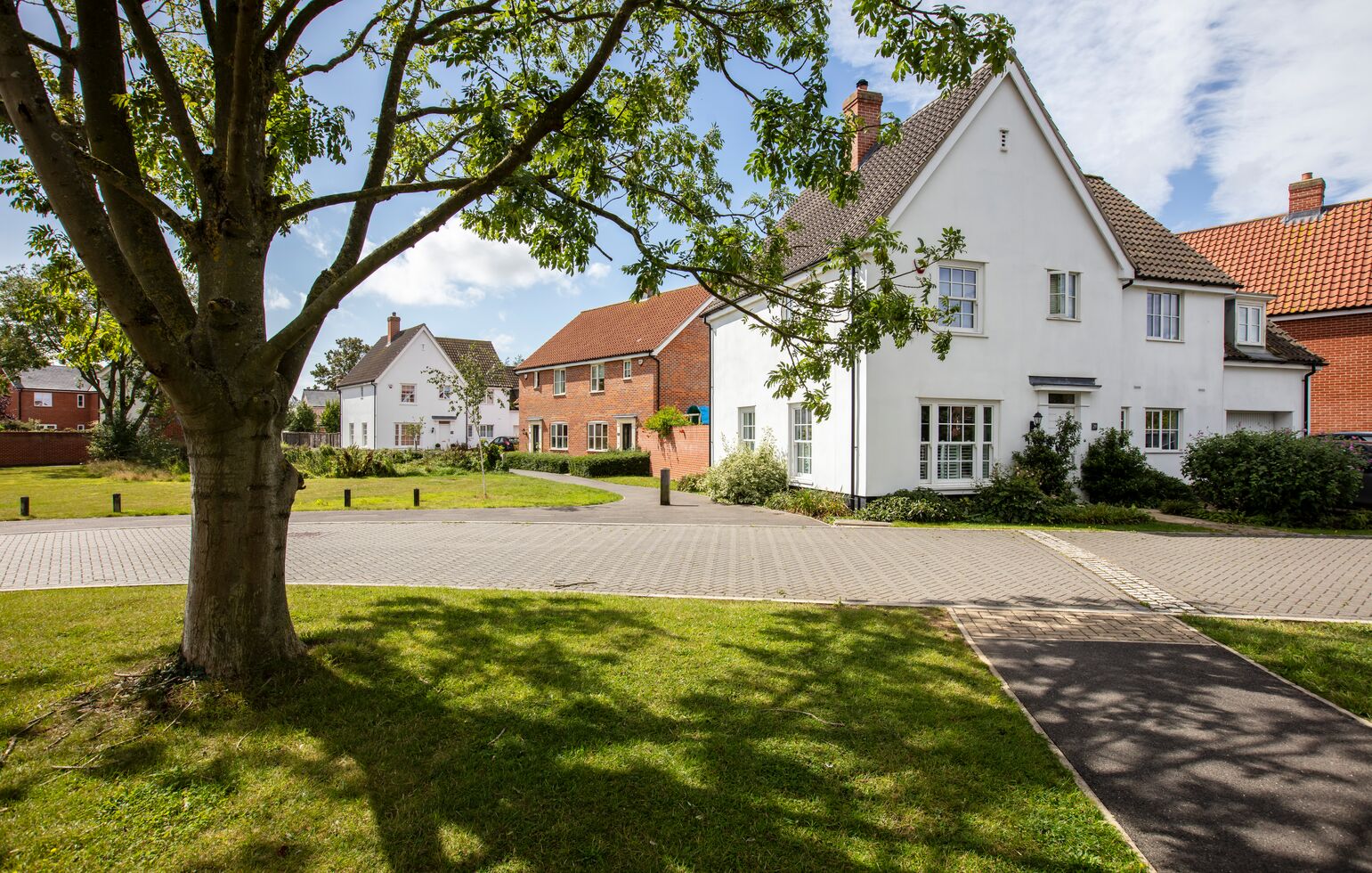
It starts with understanding each site: its landscape, history, connections and relationship with the surrounding community. Homes, streets, open spaces and routes are then planned together, so the places between buildings are as considered as the homes themselves.
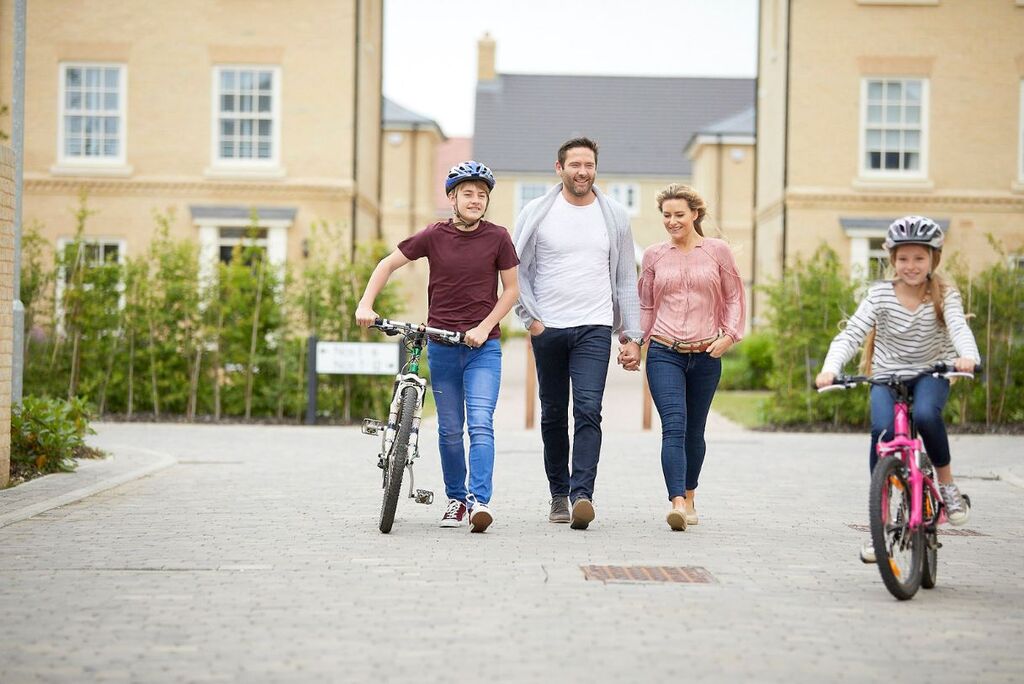
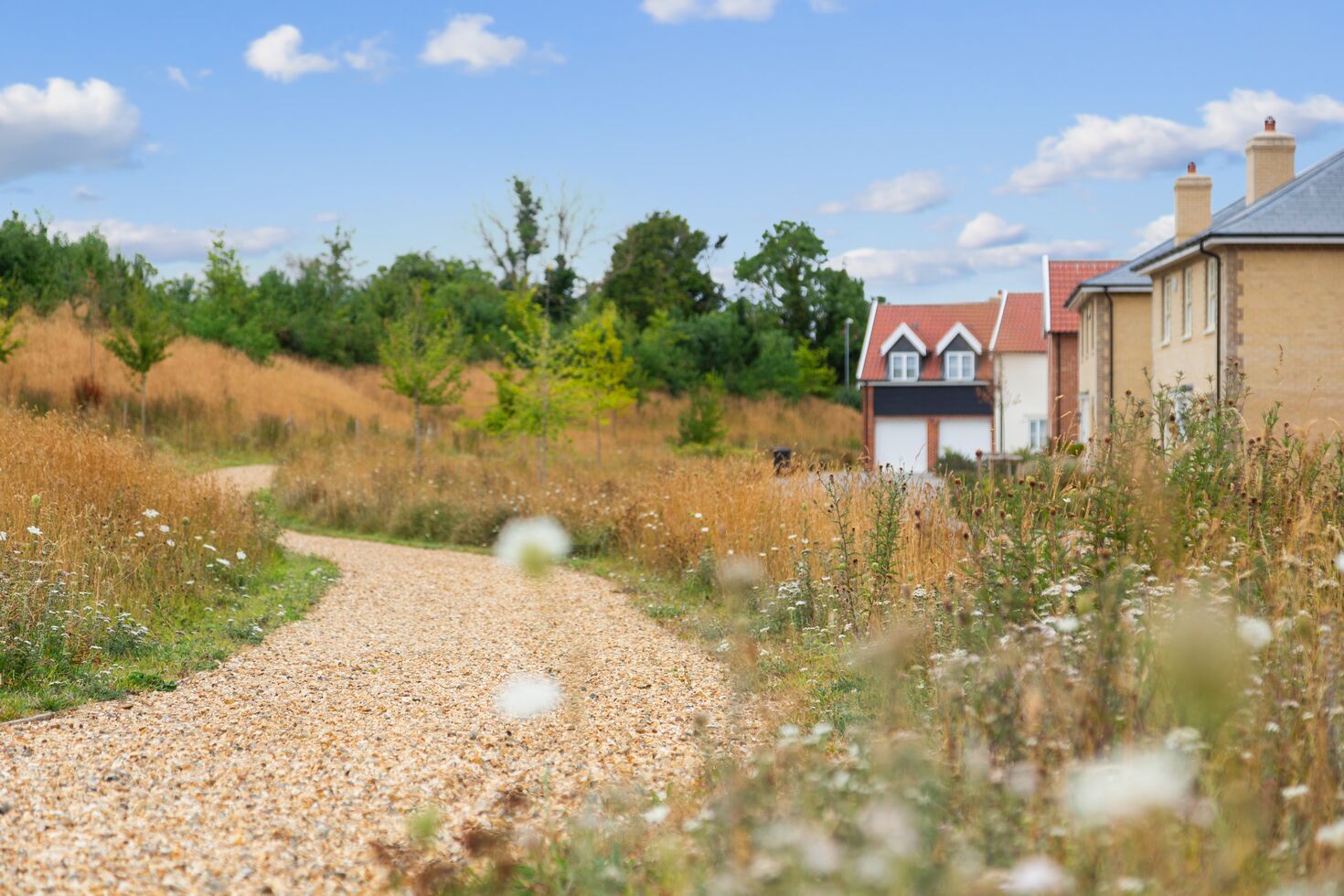
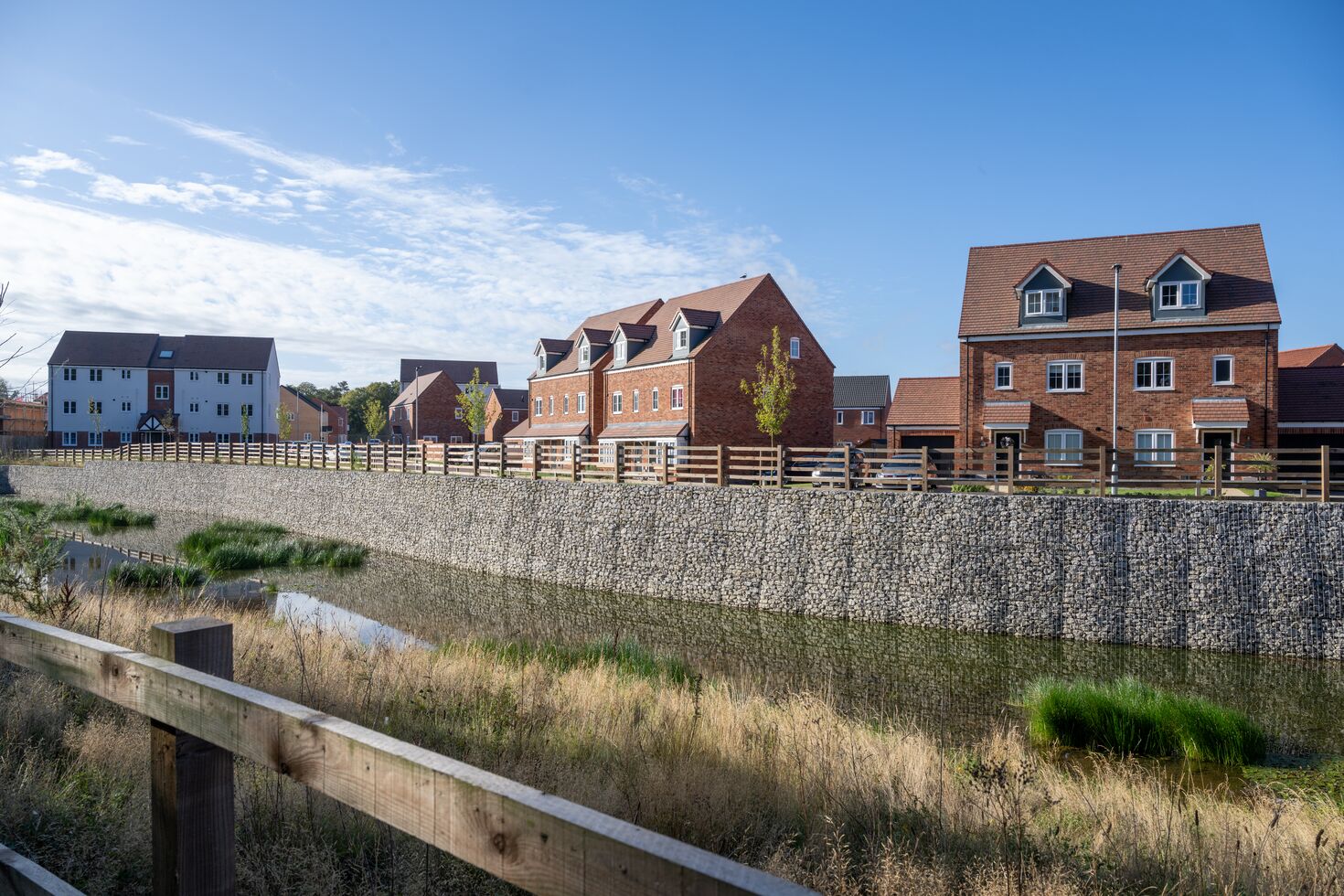
In practice, this means creating streets and paths that make it easier to walk, wheel and cycle, with clear connections to existing routes and local facilities. It means designing welcoming public spaces and play areas that people can reach and use, and arranging homes to provide a sense of place, privacy and natural overlooking. Green spaces, trees, planting and water can also be woven into the layout to support nature, manage rainwater and make streets and public spaces more comfortable.

Building for a Healthy Life
We are proud to align our approach with Building for a Healthy Life, Home England’s design code for healthier, more sustainable places.
Its principles bring together 12 considerations under three themes: integrated neighbourhoods, distinctive places and streets for all. From walkable streets to well-connected green spaces and community-focused layouts it guides us in delivering people-first developments where residents can live well, feel connected and truly thrive.
We have committed to entering every forthcoming site into the Building for a Healthy Life assessment process from the planning stage. This gives us a consistent way to review placemaking as proposals develop and to identify opportunities to strengthen the connections, streets and spaces that help a community thrive.

Inclusive Play
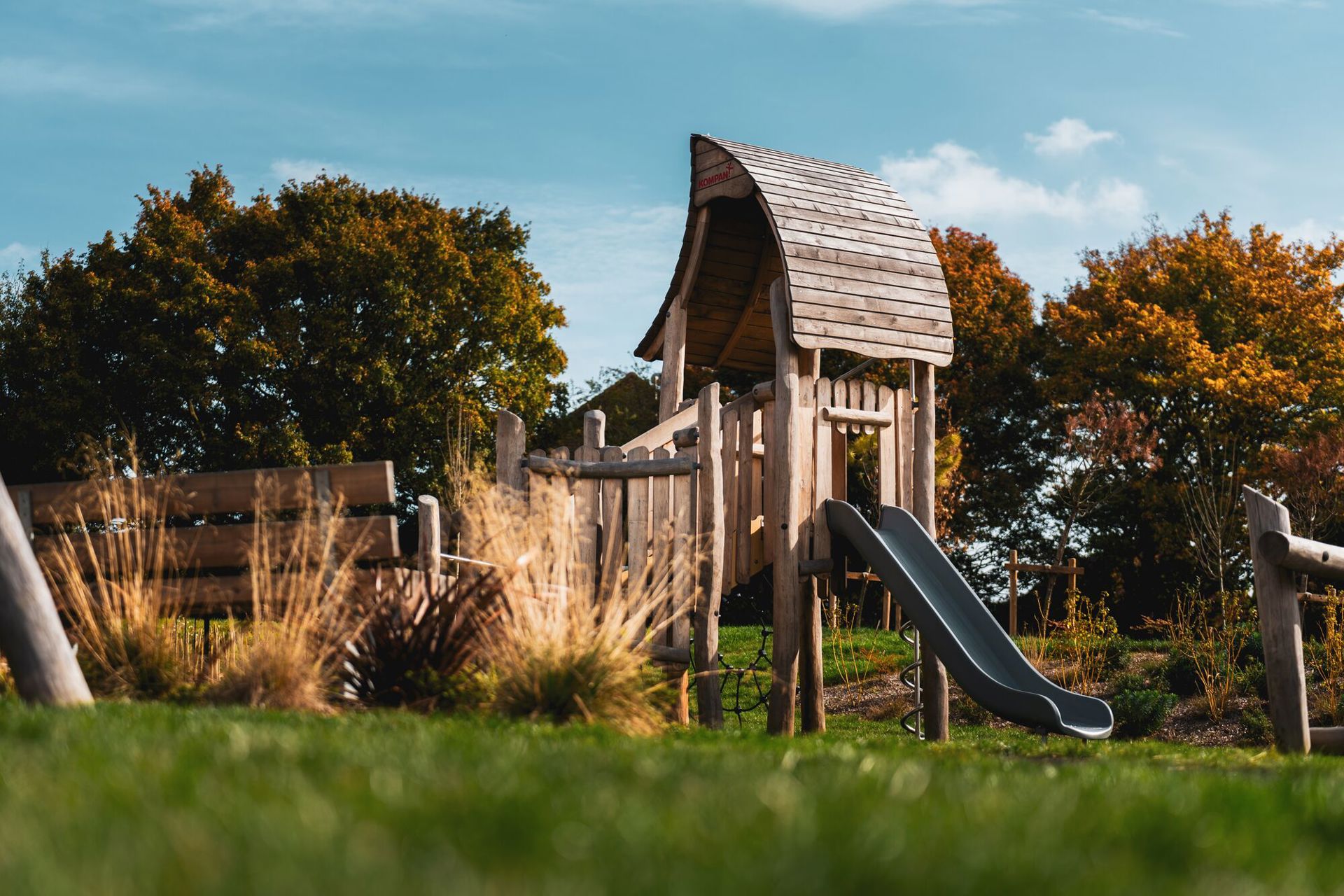
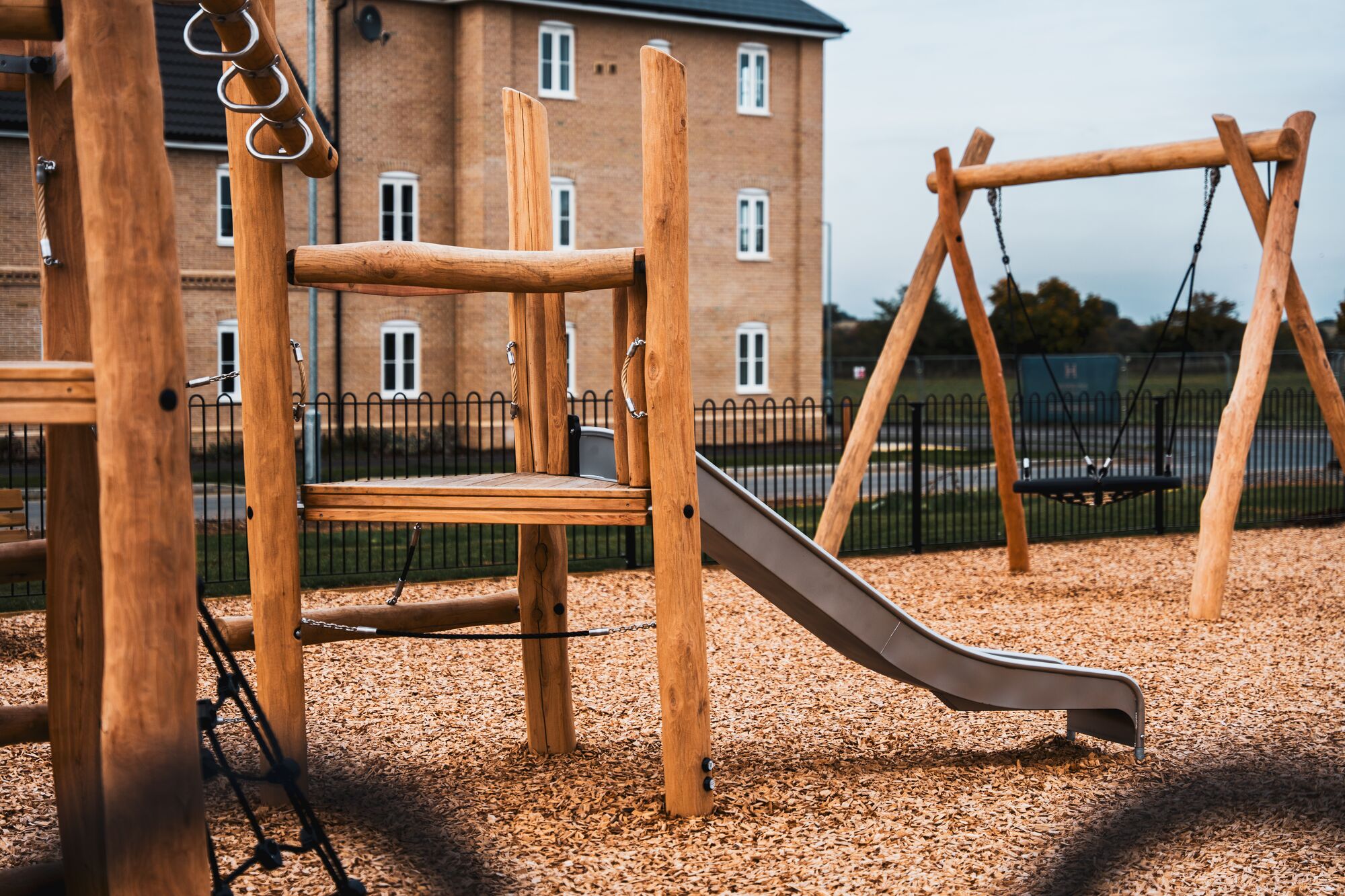
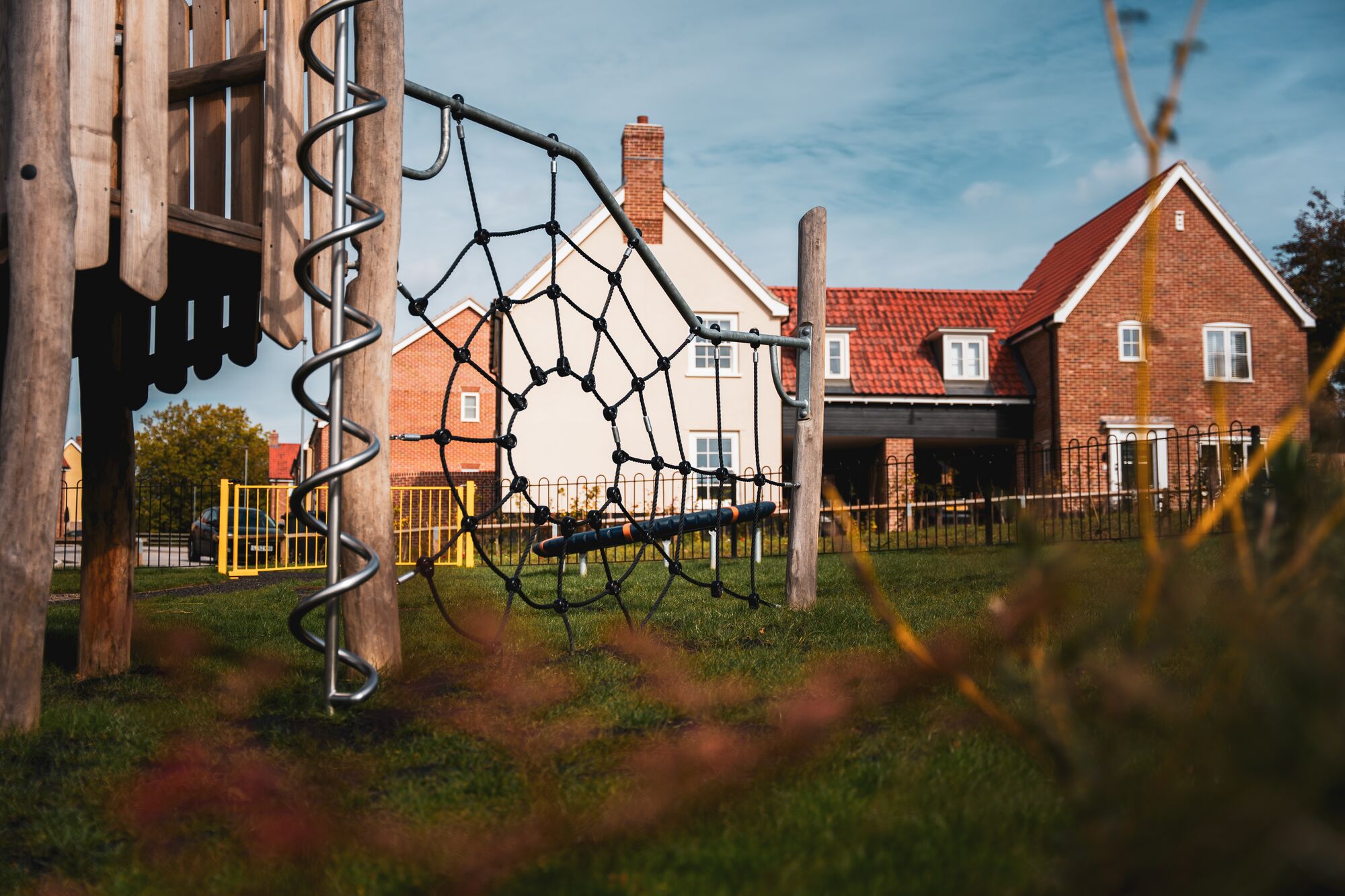
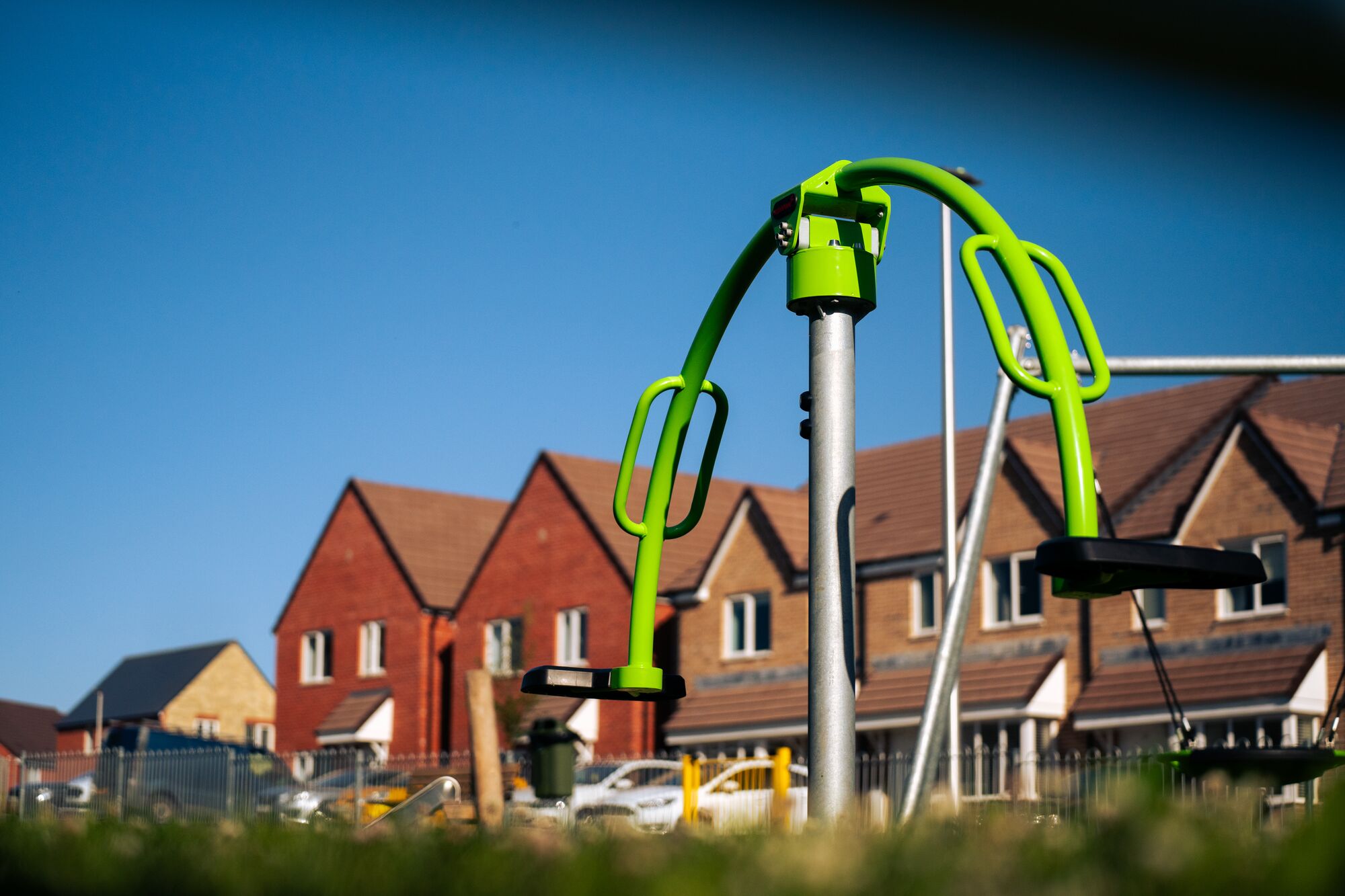
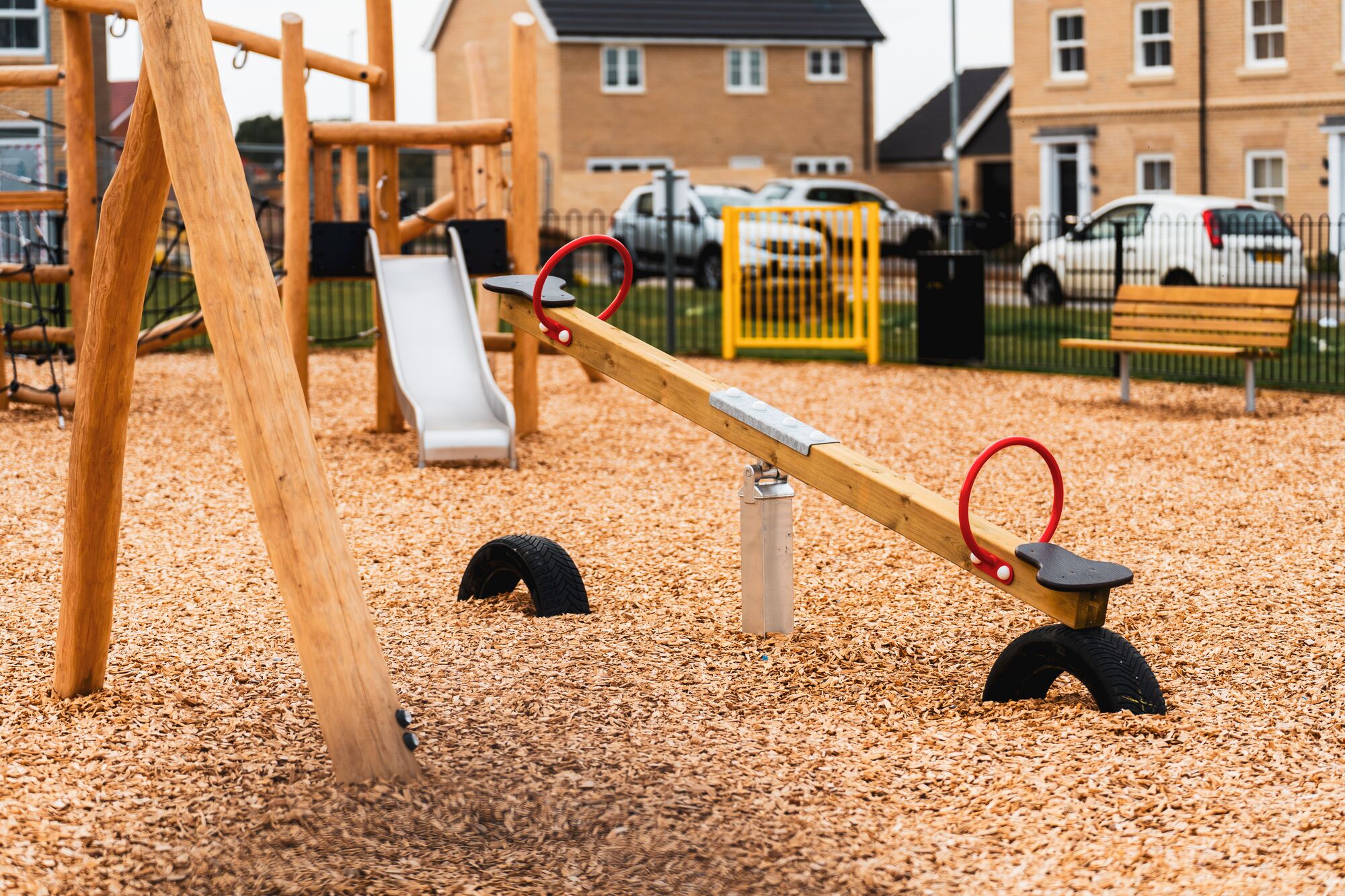
We believe great places are designed for everyone to enjoy. That's why we've developed our Universal Play Guidance in partnership with Kompan, setting a consistent standard for inclusive play across all future developments.
Going beyond the minimum planning requirements, the guidance promotes accessible, engaging play spaces that support children's physical, social and cognitive development while creating welcoming environments for families, carers and the wider community.
From inclusive play equipment and accessible surfacing to sensory features, quiet spaces and neurodiversity-informed design, every aspect is considered from the outset to ensure our developments encourage active lifestyles, social connection and a strong sense of belonging.
Our Universal Play Guidance is available to download here, demonstrating our commitment to raising the standard of inclusive play and sharing best practice across the industry.
Ashleigh Thomson, Area Sales Manager at Kompan, said:
"Many residential play areas are still designed primarily around planning compliance and budget. What's different here is that untypical has embedded inclusive design into every level of provision, considering not only the equipment, but how the entire space works for children, families and carers.
"It's encouraging to see a housebuilder taking this approach, and we hope it helps demonstrate what can be achieved when inclusion is considered from the very beginning of the design process."
